



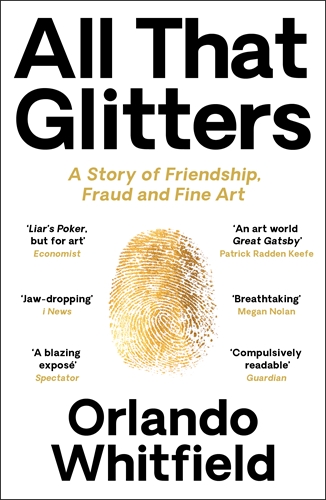
All That Glitters (Paperback)

A Story of Friendship, Fraud and Fine Art: Shortlisted for the 2024 Nero Book Awards

Orlando Whitfield

Welcome to the contemporary art world: a ruthless and glamorous arena, where the rewards are limitless - if you can pay the price.

A 2024 Book of the Year pick in the Economist, Independent, Prospect, Apollo, New Yorker and at Waterstones
A 2024 Summer Read in the Economist, Telegraph, Guardian, New Yorker, i, and the Evening Standard

'My favourite book of 2024... A masterclass of a book' Brandon Taylor
'An art world Great Gatsby, deliciously withering and dishy.' Patrick Radden Keefe
'Orlando Whitfield [is a] really good writer with crazy stories to tell' Hanif Kureishi

DECEPTION IS A FINE ART. When Orlando Whitfield first meets Inigo Philbrick, they are students dreaming of dealing art for a living. Their friendship lasts for fifteen years until one day, Inigo - by then the most successful dealer of his generation - suddenly disappears, accused of a fraud so gigantic and audacious it rocks the art world to its core.

A sparklingly sharp memoir of greed, ambition and madness, All That Glitters will take you to the heart of the contemporary art world, a place wilder and wealthier than you could ever imagine.

'Explosive... the inside story of the biggest art fraud in American history' Guardian
'Liar's Poker, but for art' Economist
Publication date: April 3, 2025

£10.99

ISBN: 9781788169967

Imprint: Profile Books

Subject: Arts, Language & Literature, Biography & Memoir

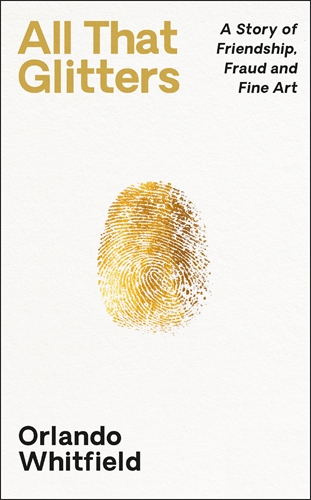
All That Glitters (Hardback)

A Story of Friendship, Fraud and Fine Art: Shortlisted for the 2024 Nero Book Awards

Orlando Whitfield

Welcome to the contemporary art world: a ruthless and glamorous arena, where the rewards are limitless - if you can pay the price.

Shortlisted for the 2024 Nero Book Award for Non-Fiction

A BBC Radio 4 'Book of the Week'

A 2024 Book of the Year pick in the Economist, Independent, Prospect, Apollo, New Yorker and at Waterstones
A 2024 Summer Read in the Economist, Telegraph, Guardian, New Yorker, i, and the Evening Standard

'An art world Great Gatsby, deliciously withering and dishy.' Patrick Radden Keefe
'A brilliant, devastating exposé' William Boyd
'Explosive... the inside story of the biggest art fraud in American history' Guardian
'Liar's Poker, but for art' Economist

DECEPTION IS A FINE ART. When Orlando Whitfield first meets Inigo Philbrick, they are students dreaming of dealing art for a living. Their friendship lasts for fifteen years until one day, Inigo - by then the most successful dealer of his generation - disappears, accused of a fraud so gigantic and audacious it rocks the art world to its core.

A sparklingly sharp memoir of greed, ambition and madness, All That Glitters will take you to the heart of the contemporary art world, a place wilder and wealthier than you could ever imagine.
Publication date: May 2, 2024

£20.00

ISBN: 9781788169950

Imprint: Profile Books

Subject: Arts, Language & Literature, Biography & Memoir

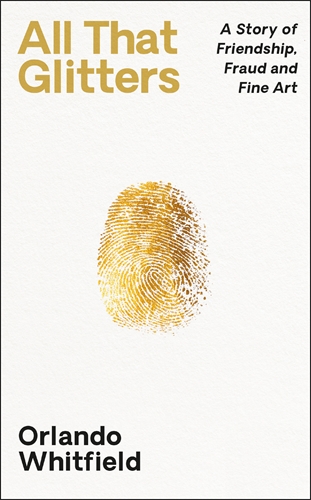
All That Glitters (Ebook)

A Story of Friendship, Fraud and Fine Art: Shortlisted for the 2024 Nero Book Awards

Orlando Whitfield

Welcome to the contemporary art world: a ruthless and glamorous arena, where the rewards are limitless - if you can pay the price.

A 2024 Book of the Year pick in the Economist, Independent, Prospect, Apollo, New Yorker and at Waterstones
A 2024 Summer Read in the Economist, Telegraph, Guardian, New Yorker, i, and the Evening Standard

'My favourite book of 2024... A masterclass of a book' Brandon Taylor
'An art world Great Gatsby, deliciously withering and dishy.' Patrick Radden Keefe
'Orlando Whitfield [is a] really good writer with crazy stories to tell' Hanif Kureishi

DECEPTION IS A FINE ART. When Orlando Whitfield first meets Inigo Philbrick, they are students dreaming of dealing art for a living. Their friendship lasts for fifteen years until one day, Inigo - by then the most successful dealer of his generation - suddenly disappears, accused of a fraud so gigantic and audacious it rocks the art world to its core.

A sparklingly sharp memoir of greed, ambition and madness, All That Glitters will take you to the heart of the contemporary art world, a place wilder and wealthier than you could ever imagine.

'Explosive... the inside story of the biggest art fraud in American history' Guardian
'Liar's Poker, but for art' Economist

Publication date: May 2, 2024

£8.49

ISBN: 9781782839583

ISBN 10 / ASIN: B0CGFTCW5X

Imprint: Profile Books

Subject: Arts, Language & Literature, Biography & Memoir

All That Glitters (Audiobook)

A Story of Friendship, Fraud and Fine Art: Shortlisted for the 2024 Nero Book Awards

Orlando Whitfield

Welcome to the contemporary art world: a ruthless and glamorous arena, where the rewards are limitless - if you can pay the price.

Shortlisted for the 2024 Nero Book Award for Non-Fiction

A BBC Radio 4 'Book of the Week'

A 2024 Book of the Year pick in the Economist, Independent, Prospect, Apollo, New Yorker and at Waterstones
A 2024 Summer Read in the Economist, Telegraph, Guardian, New Yorker, i, and the Evening Standard

'An art world Great Gatsby, deliciously withering and dishy.' Patrick Radden Keefe
'A brilliant, devastating exposé' William Boyd
'Explosive… the inside story of the biggest art fraud in American history' Guardian
'Liar's Poker, but for art' Economist

DECEPTION IS A FINE ART. When Orlando Whitfield first meets Inigo Philbrick, they are students dreaming of dealing art for a living. Their friendship lasts for fifteen years until one day, Inigo – by then the most successful dealer of his generation – disappears, accused of a fraud so gigantic and audacious it rocks the art world to its core.

A sparklingly sharp memoir of greed, ambition and madness, All That Glitters will take you to the heart of the contemporary art world, a place wilder and wealthier than you could ever imagine.

Publication date: May 2, 2024

£24.99

ISBN: 9781805220800

ISBN 10 / ASIN: B0CN9LJPXK

Imprint: Profile Books

Subject: Arts, Language & Literature, Biography & Memoir

Read by: Orlando Whitfield

Reviews for All That Glitters

'This is "Liar's Poker" for the art world.'

 The Economist

'Educational, entertaining and very enjoyable '

Marian Keyes 

'The culture of discretion that enshrouds the art market obscures a multitude of sins, so it is bracing (and great fun) to watch Orlando Whitfield flout the code of silence to name names, cite prices, and reveal scams. All That Glitters is an art world GREAT GATSBY, deliciously withering and dishy, a parable about the price of beauty, the power of charisma, and the limits of friendship.'

Patrick Radden Keefe, author of Empire of Pain

'Exhilarating... Orlando Whitfield tells the story of his former friend's downfall in thrilling detail... Compulsively readable'

Kathryn Hughes Guardian

'Compelling. . . This is a world full of thieves, chancers, con artists'

Nick Hornby 

'My favourite book of 2024... A masterclass of a book'

Brandon Taylor 

'A lacerating critique of the contemporary art market ... All That Glitters is as compulsive as a thriller. It is literary dynamite - a blazing exposé that cracks open an elite sphere cloaked in mystery and lays it mercilessly bare'

 Spectator

'The art world revealed in this delicious, sharp and often breathtaking memoir is one of excess and illusion those of us outside it can barely imagine, and Whitfield unveils it nimbly and wisely. Funny, juicy, wistful and sad, it's destined to be one of the books of 2024'

Megan Nolan, author Ordinary Human Failings

'Brilliant'

Tom Sutcliffe Front Row

'Explosive ... the inside story of the biggest art fraud in American history'

 Guardian

'A jaw-dropping, riveting true-crime memoir'

'The 30 Best Books for Summer' i Paper

'Studded with blue-chip names, multi-million-dollar paintings, private jets and bottles of Dom Pérignon '08, this tantalizing glimpse by a former dealer into the art world's most rarefied stratum doubles as a cautionary tale about a largely unregulated industry where hubris, greed and fraud abound'

 New York Times

'An elegy for a friendship ... exceptionally accomplished ... Whitfield exposes the dubious financial mores of the very highest end of the contemporary market'

 Times Literary Supplement

'A highly readable and perceptive account of how contemporary art is bought and sold'

Philip Hook Sunday Telegraph

'Readers drawn to the book's promise of an insider's recollections of the art-dealing ecosystem will not be disappointed'

 The Art Newspaper

'Whitfield writes beguilingly and amusingly, enhanced by an art dealer's eye ... made me laugh out loud'

Nancy Durrant Evening Standard

'A jaw-dropping romp through the absurd world of art dealing... All That Glitters is a hell of a read.'

 Irish Independent on Sunday

'The book of the year'

 The Fence

'One of the hottest memoirs of 2024'

 Sunday Times Style

'Highly personal ... an excellent account of how Philbrick rose to a jet-setting, cocaine-and-champagne fuelled lifestyle'

 Literary Review

'Art, money and greed combine in All That Glitters ... a compelling read'

 Business Insider

'A wry, sparkling memoir ... All That Glitters is a veritable masterpiece'

 Spears Magazine

'I cannot conceive of a better book about the grisly nature of the art world than this... Hugely entertaining'

Nicolas Lezard The Oldie

'Ultra-vivid ... it reads like a true crime documentary'

 i Paper, Nonfiction Book of the Month

'A story about art, the art market and disillusionment'

 ArtReview

'A diabolically delicious snapshot of the Art world's luminous façade'

Foyles 'Top Ten Reads for May' 

'A tremendous book. A fantastically entertaining and brutally honest account of the scurrility of the contemporary art world. A brilliant, devastating exposé'

William Boyd, author The Romantic

'Juicier than a bottle of Gamay at lunchtime and even more intoxicating, All That Glitters is an amazing takedown of a world that desperately needed taking down.'

Gary Shteyngart 

'Whitfield tells the story vividly, winning our trust. He is clearly thoughtful and principled. He has a great ear for dialogue and rarely overwrites. Still, questions remain. If an old friend were to land in prison, would you keep omertà? Or would you write a sharply observed memoir, building up their glamour while not holding back on their character failings over the years? If so, would it be a betrayal - or a valuable exercise in truth-telling? This is the latter, I think.'

 Apollo

'When high-flying art-dealer Inigo Philbrick was convicted of a multimillion-dollar fraud, it rocked the industry ... Whitfield details the web of deceit that led to his downfall'

‘Books to look out for in 2024’ Guardian

'In Orlando Whitfield's gripping memoir, All That Glitters, the murky underbelly of the art world is laid bare with startling clarity...What sets All That Glitters apart is Whitfield's fearless disregard for the art world's code of silence. With sharp wit and unflinching honesty, he names, cites prices, and reveals scams, painting a vivid picture of an industry intoxicated by wealth and power'

 Artlyst

'Packed with page-turning incident and colourful characters, Whitfield's eye-opening window into the glamorous, deceitful world of fine art is a thrilling story of greed, fraud and betrayal'

'The Non-Fiction You Need to Read in 2024', Waterstones 

'At the coal face of rich awfulness for more than a decade , Orlando Whitfield worked as a London art dealer and gallerist ... [Whitfield] writes with brilliantly descriptive , and often tendentious eloquence'

 The Irish Times

'Philbrick's story serves as a means for Whitfield masterfully to illuminate the opaque and mysterious art world for readers, explaining the shady operations of the commercial gallery system, the role and place of auction houses and, above all, the transformation of art into an asset class and a vehicle for investment: a mere entry on a ledger. For anybody curious to learn the grubby reality of the art market, Whitfield's memoir makes for essential reading.'

Matthew Mason The Tablet

'Incredible and disturbing'

Waterstones Blog 

'A rip-roaring artworld exposé, All That Glitters is a true story of corruption and crime in the international art market from the perspective of the young men made greedy and duplicitous by it. Call it-The Wolf of Mayfair. In a world of counterfeits, phonies, and frauds, Orlando Whitfield is the real deal'

Diarmuid Hester, author Nothing Ever Just Disappears

'All That Glitters is a shocking, funny, and brilliantly written tour of the morally depraved art market. Whitfield writes blisteringly about the infantile excesses of wealth, and beautifully about art.'

Charlie Gilmour, author Featherhood

'A gripping look at a high-octane collision of glamour, art and money'

'Best non-fiction books for 2024' Stylist

'Fascinating'

'Culture Editor's Picks' Evening Standard

'Sharp-eyed, knowing, witty, this one of a kind memoir is a treat. Whitfield may have burned his bridges to the glittery art world he skewers here, but his book shines with solid gold.'

Joseph Kanon 

'Thrillingly written'

Caroline Sanderson 'Editor's Choice' in May fiction previews The Bookseller

'Whitfield reflects on regretting an old friend of Inigo Philbrick ... As Philbrick rises and Whitfield becomes disenchanted with the art world, it painfully describes how business almost destroyed the British author's life. All That Glitters is at its height a sad tale of male friendship gone wrong'

 Irish News

'In the largely unregulated art market, sharp practices and scams can go under the radar - but only for so long. This is Whitfield's account of how his charismatic friend and business partner ended up in federal prison for a multimillion-dollar fraud'

'Summer Reads 2024' Guardian

''An art-world story and a scammer story ... One of the most endearing aspects of Whitfield's narrative is the precision and enthusiasm with which he pinpoints all the traits that drew him to Philbrick and kept drawing him in, even as flickers of his friend's predatory unscrupulousness began to emerge.'

 New Yorker, 'Best Books of 2024 So Far'

Orlando Whitfield

Orlando Whitfield

Orlando Whitfield graduated from Goldsmiths University in 2009. He started dealing art while still a student, and worked in and around the art market for fifteen years. His writing has appeared in the Paris Review and the White Review. All That Glitters is his first book.

Come funziona il Plinko nei casinò online secondo CasinosPlinko

Il Plinko è uno dei giochi da casinò online che ha registrato la crescita più rapida negli ultimi anni, passando da semplice curiosità a protagonista indiscusso nei cataloghi delle piattaforme di gioco digitale. Originariamente ispirato al celebre gioco televisivo americano “The Price Is Right”, dove i concorrenti lasciavano cadere un disco su una tavola piena di pioli per vincere premi in denaro, la versione digitale ha subito una trasformazione radicale che ne ha amplificato le possibilità matematiche e l’appeal visivo. Comprendere come funziona questo gioco nei casinò online richiede un’analisi che va oltre la semplice meccanica superficiale: è necessario esaminare i modelli probabilistici sottostanti, il ruolo del generatore di numeri casuali, le strutture di payout e le variabili che il giocatore può effettivamente controllare. In questo articolo vengono esaminati tutti questi aspetti con un approccio tecnico e informativo, basandosi anche sulle analisi condotte da portali specializzati come CasinosPlinko.

La meccanica di base e il motore matematico del Plinko digitale

Nel Plinko digitale, la pallina non cade fisicamente su una tavola di legno con pioli metallici: l’intera simulazione è gestita da un algoritmo informatico che determina il percorso della pallina attraverso una griglia triangolare di ostacoli. Ogni volta che la pallina colpisce un piolo, l’algoritmo calcola una probabilità binaria — andare a destra o a sinistra — e applica questa logica iterativamente per ogni livello della griglia. Il risultato finale è una distribuzione statistica che segue una curva normale (o gaussiana), il che significa che le caselle centrali vengono colpite molto più frequentemente rispetto a quelle ai margini estremi.

La struttura della griglia varia a seconda del provider software. Hacksaw Gaming, uno dei principali sviluppatori di questo tipo di gioco, propone versioni con griglie che vanno da 8 a 16 righe di pioli. BGaming, altro studio molto attivo in questo segmento, utilizza configurazioni simili ma con moltiplicatori e layout di payout leggermente diversi. All’aumentare del numero di righe, la distribuzione dei risultati diventa più precisa e la probabilità di atterrare nelle caselle centrali aumenta ulteriormente, mentre le caselle estreme diventano sempre più rare ma offrono moltiplicatori più elevati.

Il parametro chiave che governa il comportamento economico del gioco è il Return to Player (RTP), ovvero la percentuale teorica di denaro restituita ai giocatori nel lungo periodo. Per il Plinko digitale, l’RTP oscilla generalmente tra il 97% e il 99% nelle versioni a bassa volatilità, scendendo fino al 94-95% nelle versioni ad alta volatilità. Questi valori sono certificati da enti di testing indipendenti come eCOGRA, iTech Labs e GLI (Gaming Laboratories International), che verificano che i risultati generati dall’algoritmo siano effettivamente casuali e conformi alle specifiche dichiarate dallo sviluppatore.

Un elemento tecnico fondamentale è il Generatore di Numeri Casuali (RNG), che rappresenta il cuore di qualsiasi gioco da casinò digitale. Nel caso del Plinko, l’RNG non genera semplicemente un numero finale, ma produce una sequenza di decisioni binarie per ogni livello della griglia. Questo significa che per una griglia a 12 righe, l’RNG deve generare 12 valori indipendenti per ogni singola caduta della pallina. I casinò regolamentati sono obbligati a utilizzare RNG certificati e a sottoporli a verifiche periodiche, garantendo che non vi siano pattern prevedibili o manipolazioni nei risultati.

Le variabili di gioco: volatilità, moltiplicatori e configurazioni disponibili

Una delle caratteristiche che distingue il Plinko digitale dai giochi da casinò tradizionali è il livello di personalizzazione che viene offerto al giocatore. La maggior parte delle implementazioni moderne consente di selezionare almeno tre parametri fondamentali: il livello di rischio (basso, medio, alto), il numero di righe della griglia e l’importo della scommessa. Queste scelte non sono puramente estetiche — influenzano direttamente la distribuzione dei moltiplicatori e, di conseguenza, il profilo di rischio/rendimento dell’intera sessione di gioco.

Selezionando un livello di rischio basso, i moltiplicatori disponibili sono distribuiti in modo più uniforme: le caselle centrali offrono moltiplicatori modesti ma frequenti (tipicamente tra 0,5x e 1,5x la scommessa), mentre le caselle laterali raggiungono valori di 5x-10x. In modalità ad alto rischio, invece, la distribuzione diventa molto più polarizzata: le caselle centrali possono offrire moltiplicatori inferiori alla scommessa originale (anche 0,2x), mentre le caselle agli estremi possono raggiungere valori di 1000x o superiori in alcune versioni. Questo spiega perché la modalità ad alto rischio attrae i giocatori che cercano vincite significative ma accettano una perdita più frequente delle singole puntate.

Il numero di righe ha un effetto matematico preciso: con 8 righe, esistono 9 caselle di atterraggio possibili; con 16 righe, le caselle diventano 17. Tuttavia, la distribuzione probabilistica non è lineare — con più righe, la concentrazione di probabilità nelle caselle centrali diventa più marcata. Secondo le analisi disponibili sul sito web di CasinosPlinko, portale che ha esaminato in dettaglio le specifiche tecniche di numerose varianti del gioco, la scelta del numero di righe dovrebbe essere considerata in combinazione con il livello di rischio per costruire una strategia coerente con il proprio bankroll e i propri obiettivi di gioco.

Un’altra variabile importante è la funzione di scommessa automatica (autobet), presente nella maggior parte delle implementazioni professionali. Questa funzione consente di impostare un numero predefinito di cadute consecutive con parametri fissi, il che è particolarmente utile per osservare la distribuzione dei risultati su un campione statisticamente significativo. È importante precisare che l’autobet non modifica le probabilità del gioco — ogni caduta rimane un evento indipendente — ma consente al giocatore di evitare decisioni impulsive durante una sessione prolungata.

Alcune versioni del Plinko offrono anche funzionalità di provably fair, una tecnologia basata su crittografia che consente al giocatore di verificare autonomamente l’equità di ogni risultato. Questa tecnologia, diffusa soprattutto nei casinò crypto, utilizza algoritmi hash per garantire che il risultato di ogni caduta sia stato determinato prima che la scommessa venisse effettuata e che non sia stato modificato successivamente. Si tratta di un livello di trasparenza superiore rispetto ai sistemi RNG tradizionali, anche se entrambi possono essere considerati affidabili quando certificati da enti indipendenti.

Il quadro regolatorio e la presenza del Plinko nei mercati europei

Il Plinko digitale rientra nella categoria dei giochi di pura fortuna (o giochi di sorte), il che ne determina il trattamento regolatorio nei diversi mercati europei. In Italia, il settore è regolamentato dall’Agenzia delle Dogane e dei Monopoli (ADM), che dal 2011 gestisce le licenze per i casinò online operanti legalmente nel territorio nazionale. I giochi come il Plinko possono essere offerti solo da operatori in possesso di concessione ADM valida, e ogni titolo deve essere certificato da laboratori accreditati prima di poter essere messo a disposizione dei giocatori italiani.

Nel mercato italiano, la certificazione dei giochi richiede la verifica dell’RTP dichiarato, la conformità delle funzionalità di gioco responsabile (limiti di deposito, autoesclusione, messaggi di avvertimento) e la corretta visualizzazione delle informazioni sul rischio di dipendenza. Questi requisiti sono stati progressivamente rafforzati negli anni: il decreto legislativo 158/2012 e le successive circolari ADM hanno introdotto standard sempre più stringenti per la protezione dei giocatori.

In altri mercati europei, la situazione è simile ma con alcune differenze significative. Il Regno Unito, attraverso la UK Gambling Commission (UKGC), ha introdotto nel 2021 nuove restrizioni sui limiti di velocità delle sessioni di gioco, che influenzano anche i giochi come il Plinko dove le partite possono susseguirsi molto rapidamente. Malta, attraverso la Malta Gaming Authority (MGA), rappresenta un’altra giurisdizione di riferimento per molti operatori europei: la licenza MGA è riconosciuta in numerosi paesi e garantisce standard di protezione del giocatore comparabili a quelli nazionali.

Un aspetto regolatorio spesso sottovalutato riguarda la classificazione del Plinko rispetto ad altri giochi. In alcune giurisdizioni, i giochi con grafica animata e interazione continua vengono classificati diversamente rispetto ai giochi da tavolo tradizionali, il che può influenzare l’aliquota fiscale applicata all’operatore e, indirettamente, i valori di RTP offerti ai giocatori. In Italia, tutti i giochi da casinò online sono soggetti a un prelievo del 20% sul margine lordo del giocatore (GGR), indipendentemente dalla loro meccanica specifica.

È anche importante considerare che il Plinko, pur essendo relativamente recente nella sua forma digitale moderna (le prime versioni significative sono apparse intorno al 2019-2020), ha già attirato l’attenzione di diverse autorità regolatorie per via della sua velocità di gioco e del potenziale impatto sui comportamenti di gioco problematici. Alcune versioni consentono di effettuare decine di puntate al minuto, il che rende ancora più rilevante la presenza di strumenti efficaci di gioco responsabile.

Strategie di gestione del bankroll e analisi del comportamento probabilistico

Dal punto di vista della gestione del bankroll, il Plinko presenta caratteristiche specifiche che lo distinguono da giochi come la roulette o le slot machine tradizionali. La natura binaria iterata del processo decisionale (destra o sinistra a ogni piolo) produce una distribuzione dei risultati che è matematicamente prevedibile nel lungo periodo, ma che nel breve termine può generare sequenze di risultati molto distanti dal valore atteso. Questo fenomeno, noto come varianza campionaria, è particolarmente pronunciato nelle versioni ad alto rischio del gioco.

Per comprendere l’impatto pratico della varianza, è utile considerare un esempio concreto. In una versione a 12 righe con rischio alto, la casella centrale potrebbe offrire un moltiplicatore di 0,3x, mentre le caselle estreme potrebbero offrire 1000x. Se il giocatore effettua 100 puntate da 1 euro ciascuna, la distribuzione statistica prevede che la grande maggioranza delle palline atterri nelle caselle centrali o quasi-centrali. Anche con un RTP del 97%, il giocatore potrebbe trovarsi in perdita significativa dopo 100 partite se non si verifica nessuna caduta nelle caselle ad alto moltiplicatore — un evento raro ma possibile.

CasinosPlinko, nella sua analisi delle diverse varianti disponibili sul mercato, ha evidenziato come la scelta del livello di rischio debba essere calibrata in funzione della dimensione del bankroll disponibile. Per un bankroll limitato, le versioni a bassa volatilità offrono una maggiore longevità della sessione di gioco, anche se le vincite massime sono più contenute. Per bankroll più consistenti, le versioni ad alta volatilità possono essere affrontate con una strategia di flat betting (scommessa fissa per ogni partita) che consente di sfruttare la distribuzione statistica senza esporsi al rischio di rovina precoce.

Un errore comune tra i giocatori meno esperti è quello di aumentare progressivamente la scommessa dopo una serie di risultati negativi, applicando strategie di tipo martingala. Nel contesto del Plinko, questa strategia è particolarmente rischiosa perché la distribuzione dei risultati non garantisce che una vincita significativa si verifichi entro un numero limitato di partite. Ogni caduta della pallina è un evento completamente indipendente dai precedenti, e nessuna sequenza di risultati negativi aumenta la probabilità di un risultato positivo nelle partite successive.

Un approccio più razionale alla gestione del bankroll prevede la definizione preventiva di un limite di perdita massima per sessione, l’utilizzo di scommesse di dimensione tale da consentire almeno 100-200 partite con il bankroll disponibile, e la scelta del livello di rischio in base all’obiettivo specifico della sessione. Se l’obiettivo è massimizzare il tempo di gioco, la versione a basso rischio è più appropriata. Se l’obiettivo è ottenere una vincita significativa accettando un rischio elevato di perdere l’intero bankroll, la versione ad alto rischio è quella che offre questa possibilità — a fronte di una probabilità di successo corrispondentemente bassa.

È utile anche considerare il concetto di Expected Value (EV) per ogni configurazione di gioco. Con un RTP del 97%, ogni euro scommesso ha un valore atteso di 0,97 euro, indipendentemente dalla configurazione scelta. Questo significa che nel lungo periodo, tutte le configurazioni del Plinko producono lo stesso risultato matematico per il giocatore — la differenza sta nella distribuzione temporale delle perdite e delle vincite. Le versioni ad alta volatilità concentrano le perdite e le vincite in eventi rari ma significativi; le versioni a bassa volatilità distribuiscono i risultati in modo più uniforme nel tempo.

In conclusione, il Plinko nei casinò online è un gioco che combina semplicità di interfaccia con una profondità matematica non immediatamente evidente. La comprensione dei meccanismi probabilistici sottostanti, delle variabili configurabili e del quadro regolatorio di riferimento consente al giocatore di approcciare il gioco con maggiore consapevolezza, riducendo il rischio di decisioni impulsive e ottimizzando la gestione delle proprie risorse. Portali specializzati come CasinosPlinko svolgono un ruolo utile nel rendere accessibili queste informazioni tecniche a un pubblico più ampio, contribuendo a una cultura del gioco più informata e responsabile.